Mencius (孟子)
Item
- Title
- Mencius (孟子)
- Chinese Title
- 孟子
- Romanizations
- Mengzi
- Meng zi
- Meng-tzu
- Author(s)
- Mencius
- Year
- Late 4th century BCE
- Summary
-
The Mengzi (or Mencius) is a foundational Confucian text documenting the dialogues of the philosopher Meng Ke. Its central thesis is that human nature is inherently good (renxing shan), possessing innate seeds of compassion, ritual propriety, wisdom, and righteousness.
Mencius argued that just as water naturally flows downward, humans are naturally inclined toward virtue, though external pressures can corrupt this state. Politically, he advocated for ‘benevolent government’ (renzheng), asserting that rulers exist for the people’s welfare. He famously justified the removal of tyrants who fail their moral duty, prioritizing the populace over the state or the sovereign.
- Item sets
- Classical Texts
Linked resources
| Title | Class |
|---|---|
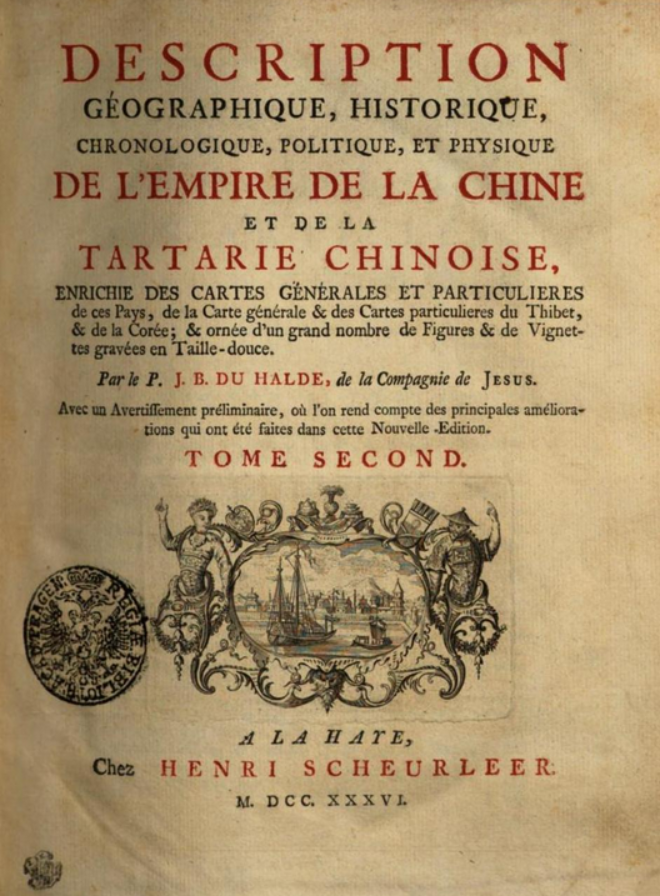 Description [...] de l'empire de la Chine (1736) Description [...] de l'empire de la Chine (1736) |
Translation |
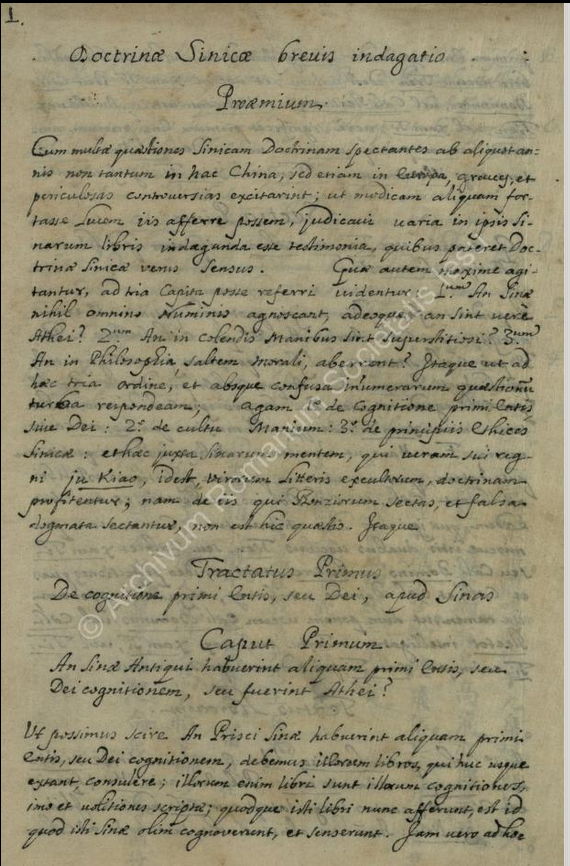 Doctrinae Sinicae brevis indagatio Doctrinae Sinicae brevis indagatio |
Translation |
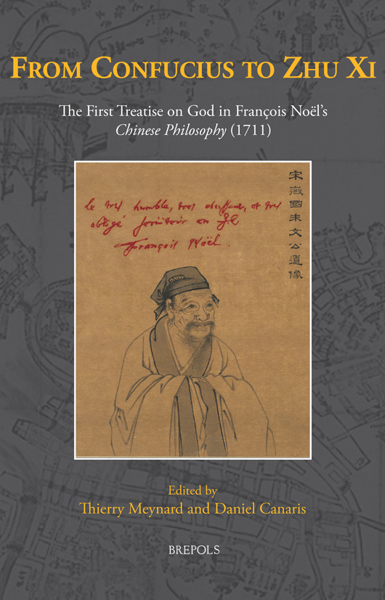 From Confucius to Zhu Xi From Confucius to Zhu Xi |
Translation |
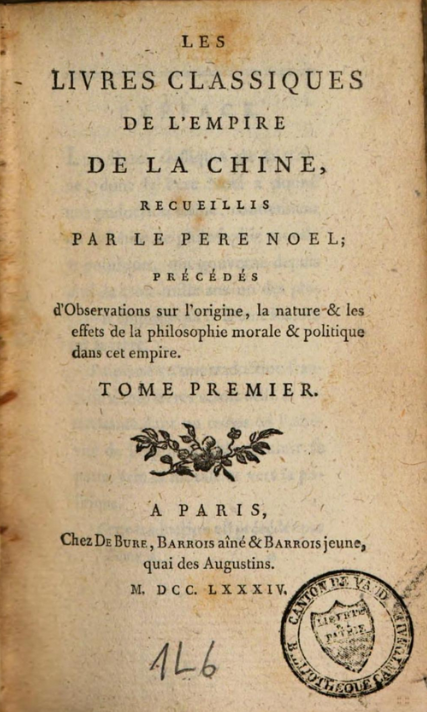 Les Livres Classiques de l’Empire de la Chine, recueillis par le Pere F. Noel, précédés d’Observations sur l’origine, la nature & les effets de la philosophie morale & politique dans cet empire. Les Livres Classiques de l’Empire de la Chine, recueillis par le Pere F. Noel, précédés d’Observations sur l’origine, la nature & les effets de la philosophie morale & politique dans cet empire. |
Translation |
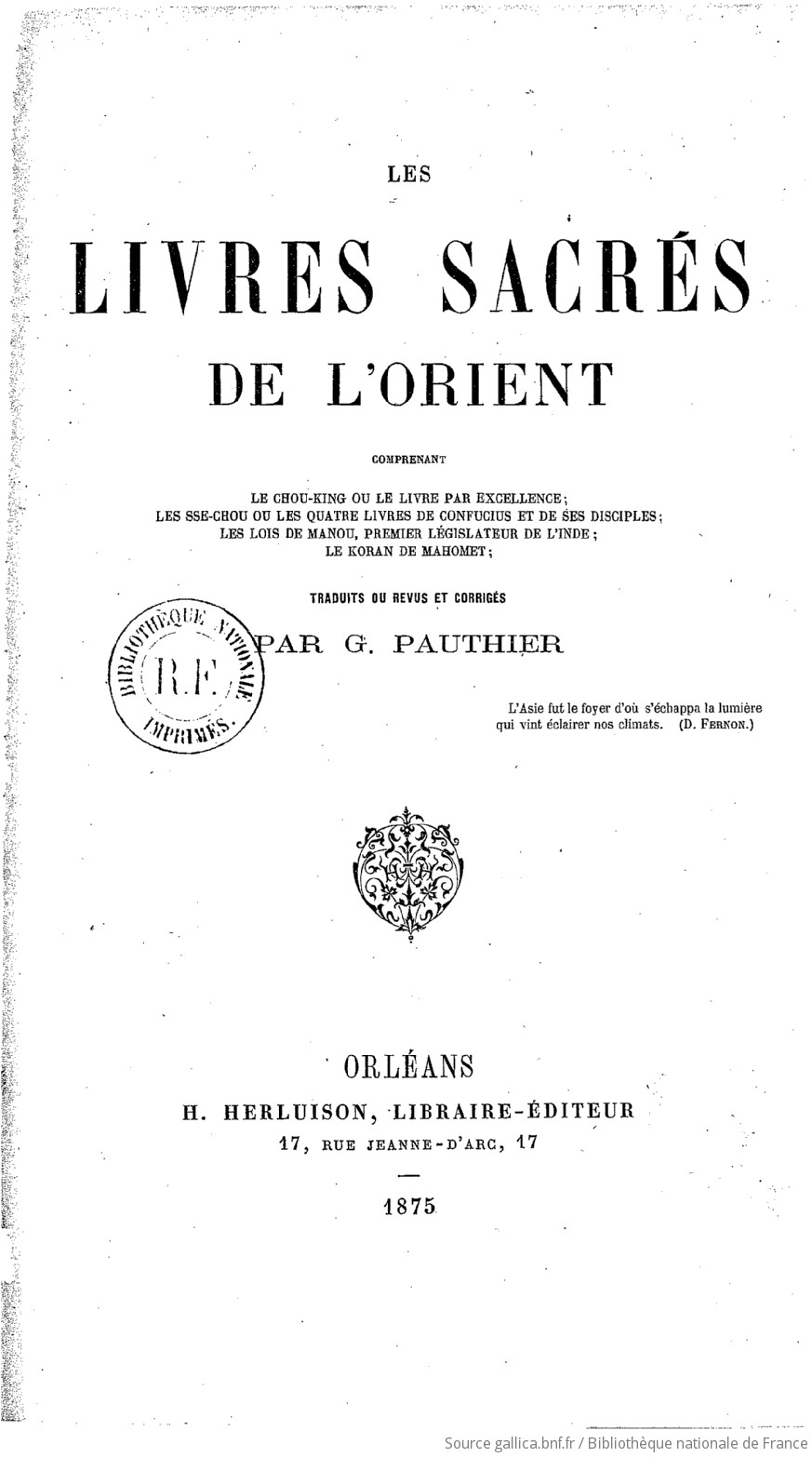 Les Livres Sacrés de L'Orient Les Livres Sacrés de L'Orient |
Translation |
| Mencius ex sinico in latinum idioma traductus | Translation |
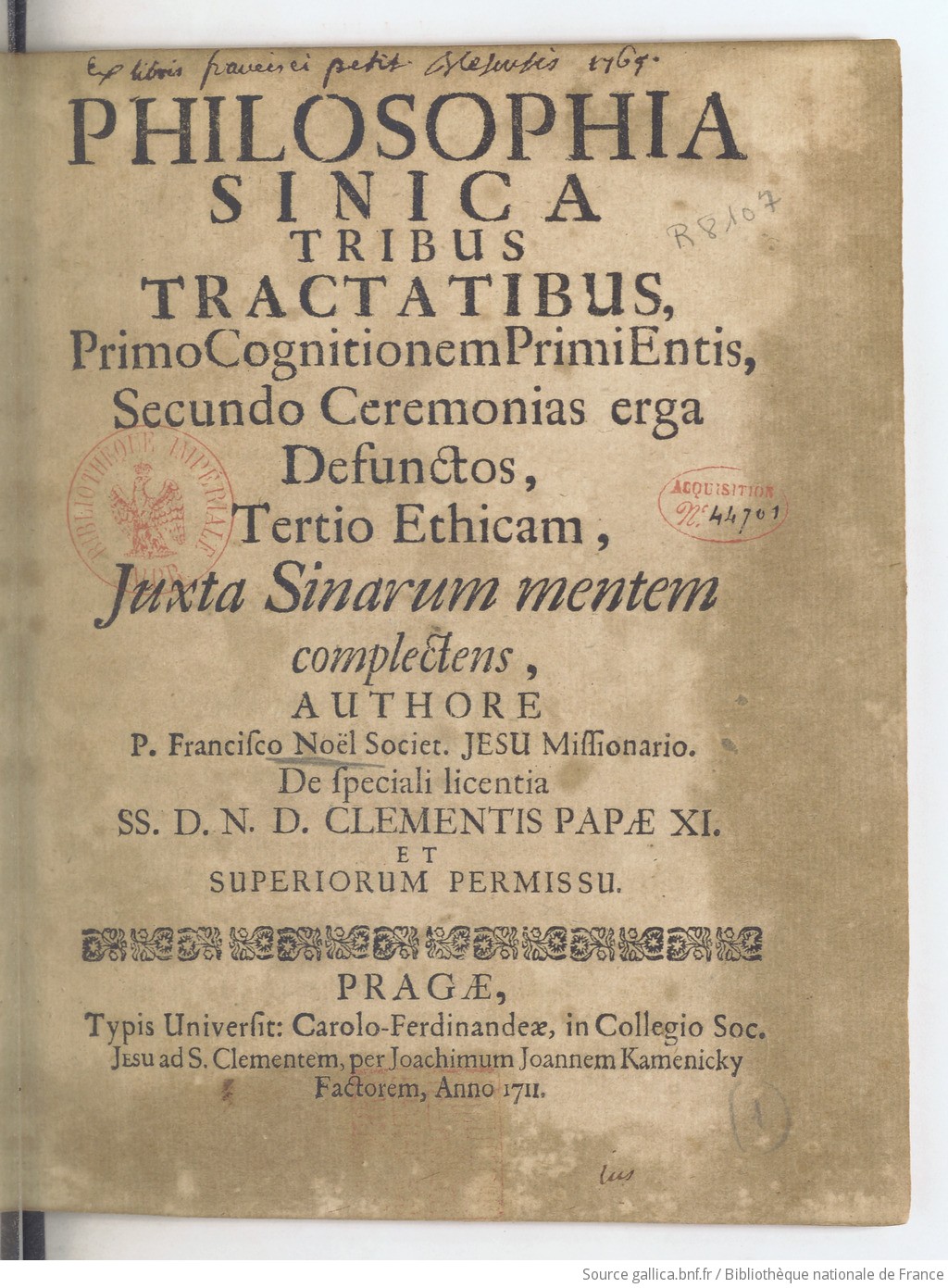 Philosophia sinica tribus tractatibus Philosophia sinica tribus tractatibus |
Translation |
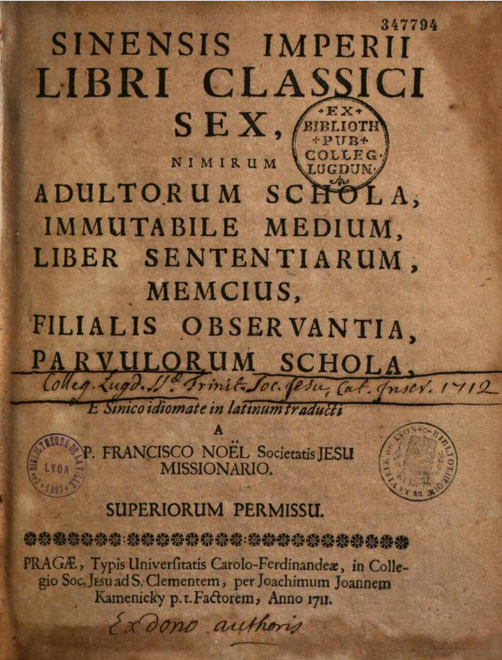 Sinensis Imperii Libri Classici Sex Sinensis Imperii Libri Classici Sex |
Translation |
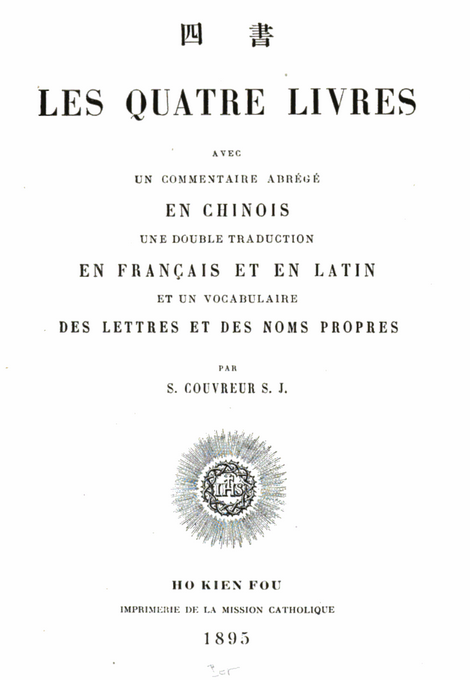 四书 Les Quatre Livres 四书 Les Quatre Livres |
Translation |